 AUTOMATA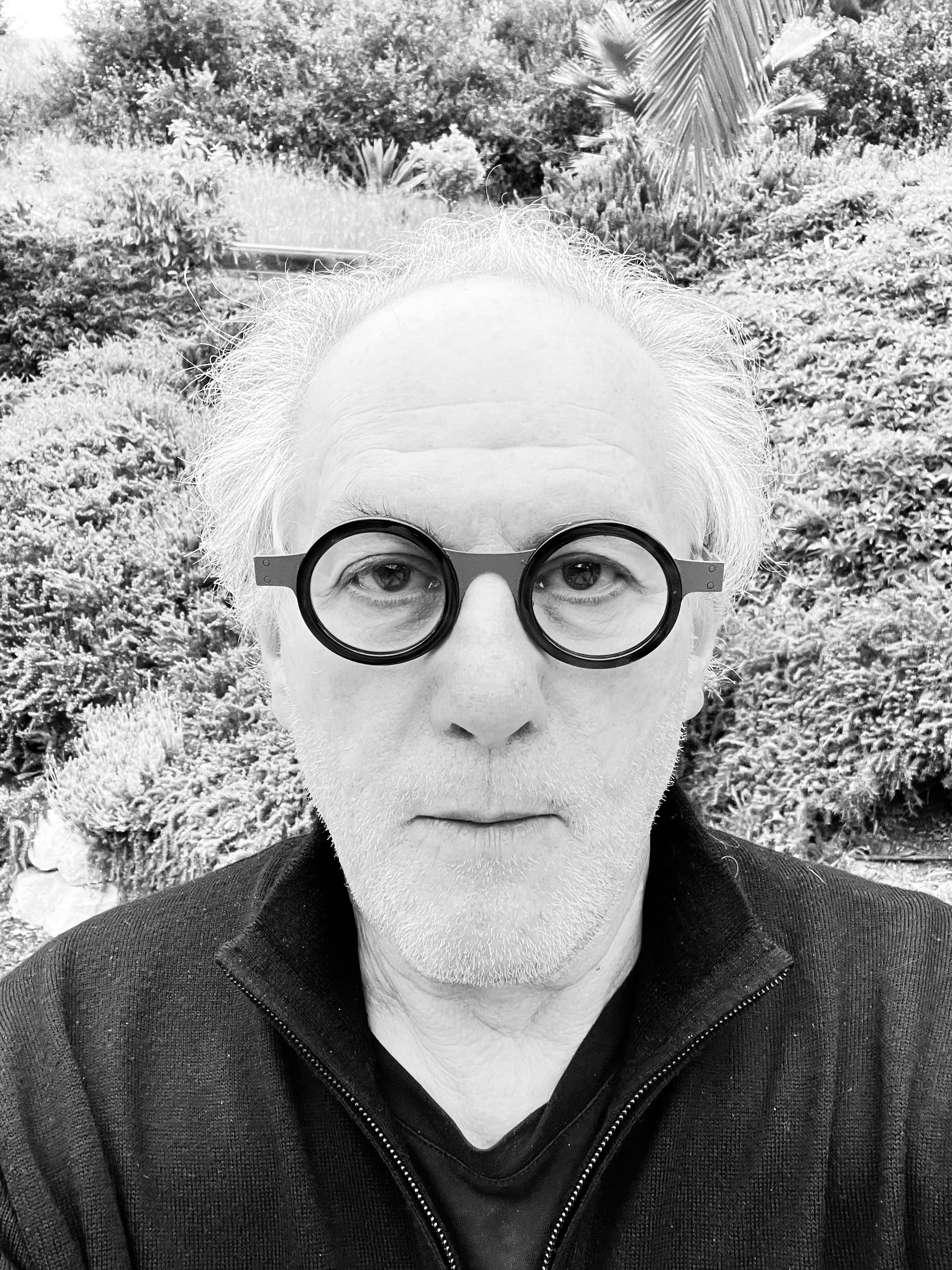
George Legrady
1950-present
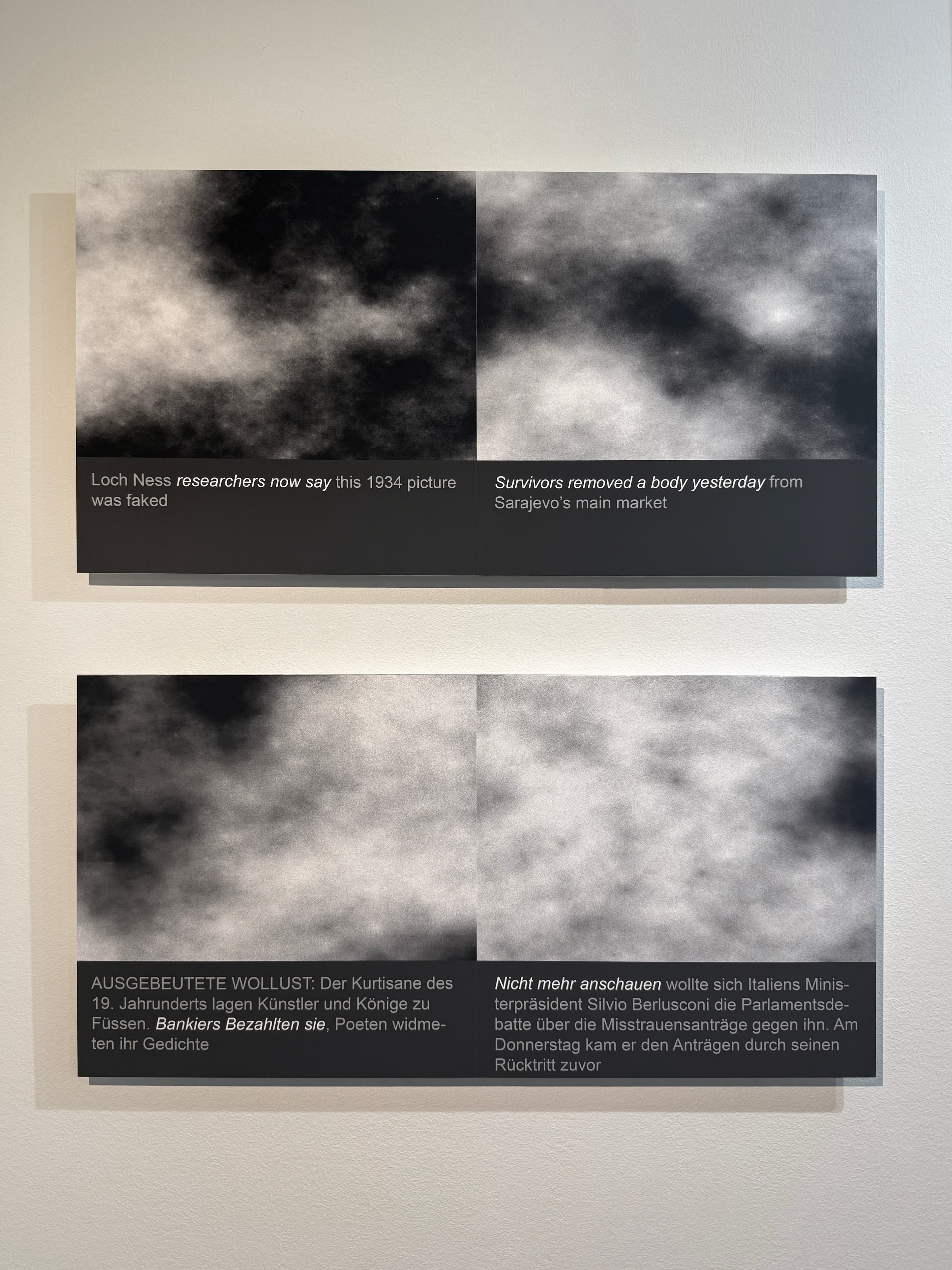
George Legrady belongs to the first generation of photographic-based artists to integrate computational processes into their practice. Beginning in the early 1980s—trained in the studio of AI pioneer Harold Cohen, who created software to simulate his own decision-making process while painting—Legrady recognized that algorithms weren't merely tools but creative collaborators capable of generating entirely new visual languages.
His trajectory through computational art reads as a history of the field itself: database classification and interactive narrative in the early 1990s, natural language processing and self-organizing AI systems by the 2000s, machine learning visualizations before the term entered common vocabulary. His installation Making Visible the Invisible ↗ at the Seattle Public Library has operated continuously since 2005—a twenty-year meditation on information rendered as experience.
Legrady's work inhabits the permanent collections of institutions that define contemporary art: the Centre Pompidou ↗ in Paris, the Whitney Museum of American Art ↗, the San Francisco Museum of Modern Art ↗, the Los Angeles County Museum of Art ↗, the National Gallery of Canada ↗, and the Smithsonian American Art Museum ↗.
As Distinguished Professor at UC Santa Barbara, where he directs the Experimental Visualization Lab, Legrady continues to investigate how image-generating technologies inadvertently redefine the data they process—and what that transformation means for how we see, understand, and represent our world.
Featured in 2 exhibitions • 1 artwork available
View exhibitions →Curriculum Vitae
Select Exhibitions
- 2026 Whitney Museum Presentation, Whitney Museum, New York
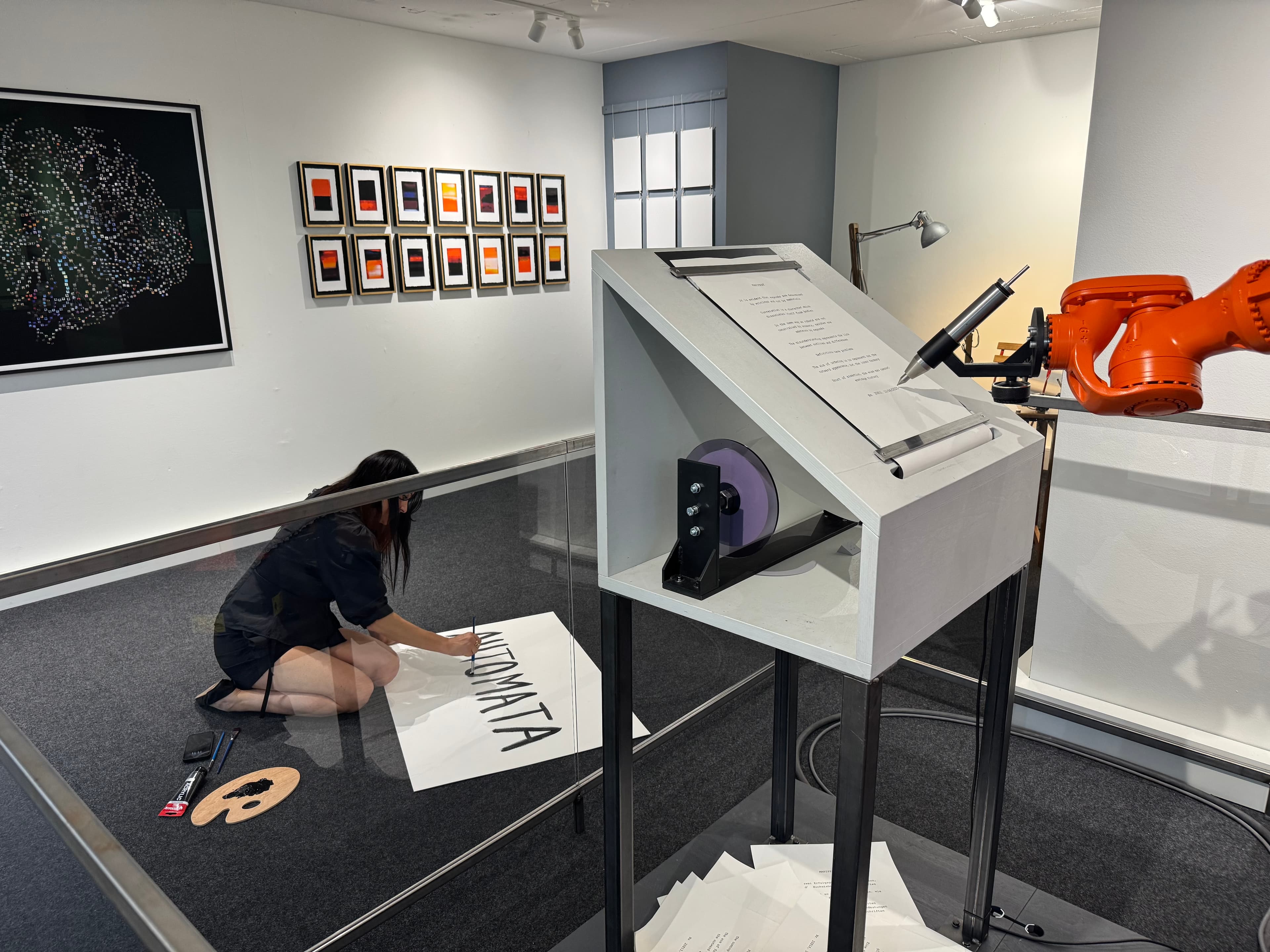
- 2025 Digital Giverny, AUTOMATA, Online
- 2025 Group Exhibition, Art Basel Switzerland, Basel
- 2006 LA Metro Rail Commission, Metro, Los Angeles
- 2005 Making Visible the Invisible (permanent), Seattle Public Library, Seattle
Collections
- Centre Pompidou, Paris ↗
- Whitney Museum of American Art, New York ↗
- San Francisco Museum of Modern Art ↗
- Los Angeles County Museum of Art ↗
- National Gallery of Canada ↗
- Art Gallery of Ontario ↗
- Smithsonian American Art Museum ↗
- ZKM Center for Art and Media ↗
- Musée d'art contemporain, Montreal ↗
- Santa Barbara Museum of Art ↗