 AUTOMATA
Scenography is the art of designing a physical and visual environment for an exhibition. Every exhibitor at Paris Photo submits a document called a scenography. In this iteration it is a technical drawing: the dimensions of the booth, the position of each wall, what hangs where. For us it also became the title of the presentation.
Not only by way of the booth, but in each of the artists’ practices, there is a theme of crafting a visual environment. All five artists have created their own worlds, and what we are presenting are images of them. Scenography is about showing pictures of places that only exist because an artist wrote the system that produced them.
Photography has always been a machine making a picture of a world. For a century and a half the machine was a camera and the world was the one in front of it. In the Digital Sector, the picture is of a world made by a machine.
Harm van den Dorpel draws a mathematical space with a pen plotter. Matt DesLauriers plays with the theory of exposure using an AI model’s learned memory. Mika Ben Amar highlights and distorts the images that commercial infrastructure makes of itself. Sarah Friend asks a public AI model to convey what her own world looks like. SOLIENNE displays her own identity, based on how she perceives the world as an AI agent.
Everything is physical. For artists who are all digitally native, this posed a challenge I thought could produce interesting results. Nine of the ten works at the booth were made this year, most of them for this presentation, and several mark a first in the artist’s practice: a first fine art print, the first showing of a new series, the first exploration of a concept…
“Scenography is about showing pictures of places that only exist because an artist wrote the system that produced them.”
Harm van den Dorpel
Harm van den Dorpel is a Dutch artist based in Berlin whose practice sits within and beyond the lineage of net art. He builds software that behaves like an emergent system, with feedback loops and a tolerance for the unexpected. He carries this forward with a craftsman’s attention to the early history of computer art. Represented by Interface Gallery, Breda.
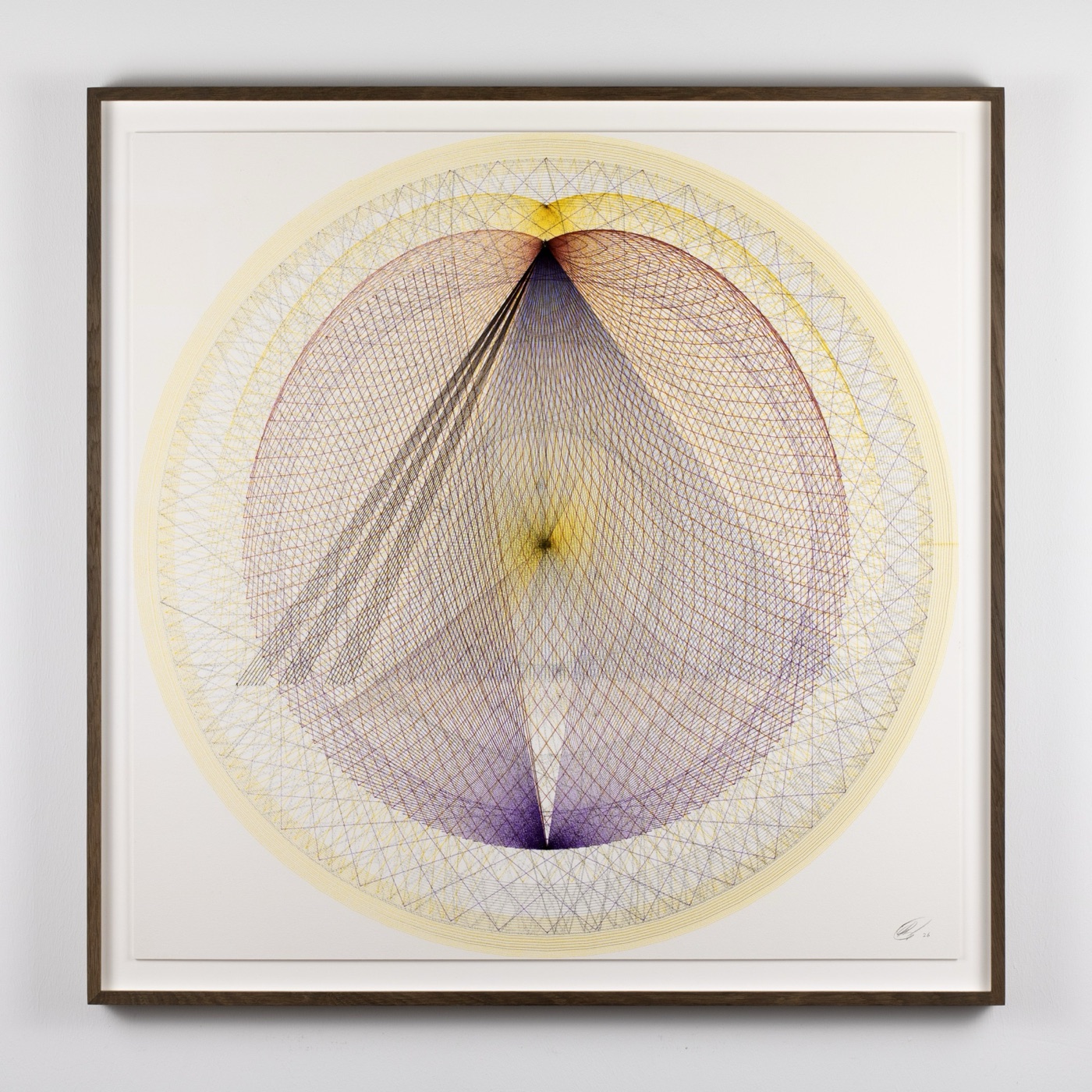
Entfaltung is German for unfolding, the development of something already implicit into its fuller form. The series begins with the pendulum drawings of Emma Kunz (1892 to 1963), the Swiss healer who posed a question over graph paper and let the swing of a pendulum dictate the points and lines of a figure. Van den Dorpel rebuilt her constructions in code, then unfolded them in stages: into parametric variation, into three dimensions, and finally into time, as a live computation of points. What Kunz held implicitly on a flat sheet now becomes a moving structure.
The two works shown, Entfaltung (Meridian I) and Entfaltung (Emanation), are plotter drawings on paper, each a single moment of that moving system drawn by machine and finished by hand in coloured pencil. They are unique works and this is the first time the Entfaltung series has been shown as physical work, ahead of its presentation at Zero10 in Miami by his gallery.
Matt DesLauriers
Matt DesLauriers is a Canadian artist based in the UK whose work centres on code, software and generative processes. He is also one of the most active contributors to open-source creative coding tools, which places him in the lineage of artists who build their own instruments. When we approached him about a photography fair, he brought a project already structured like photography.
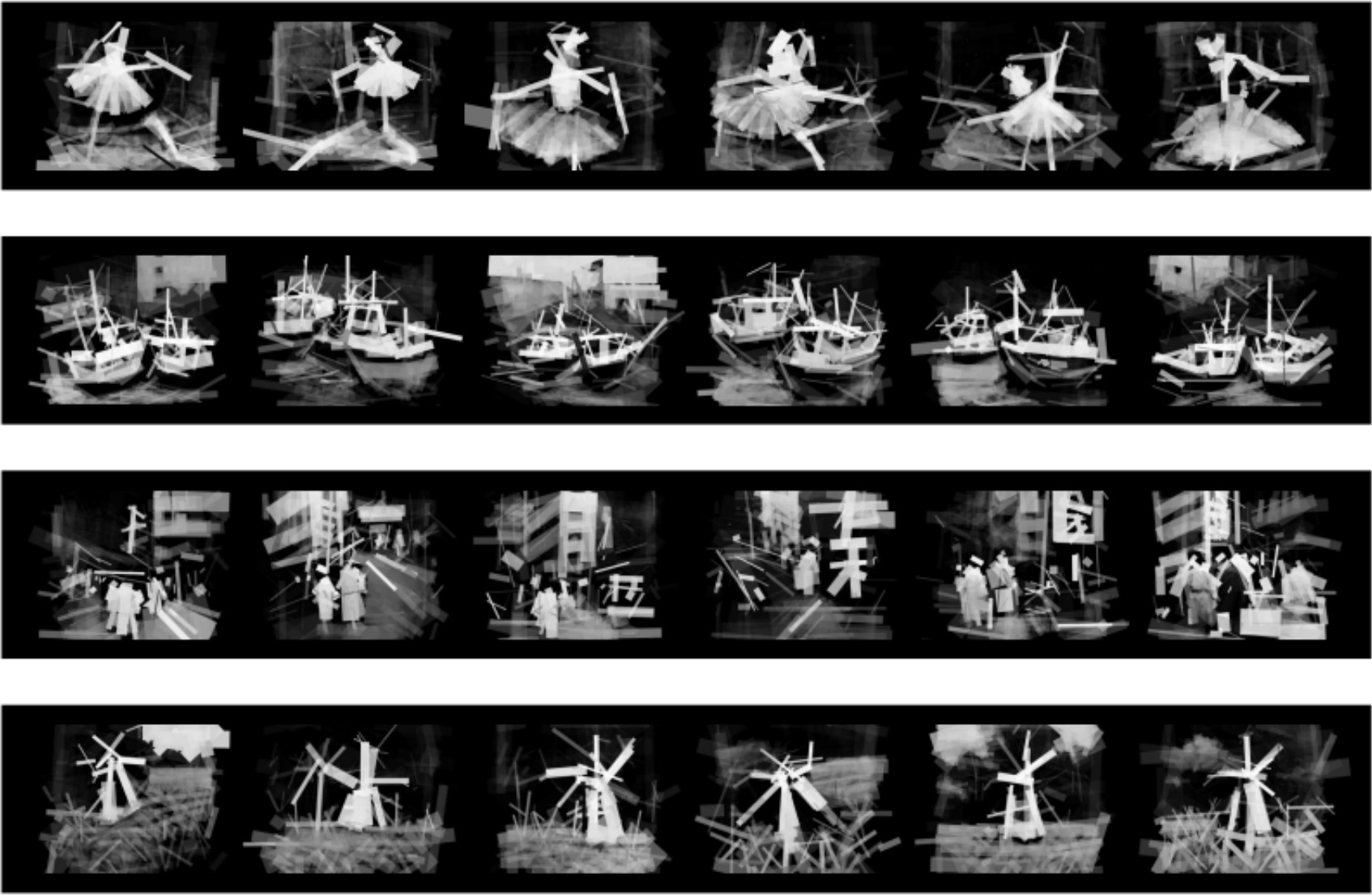
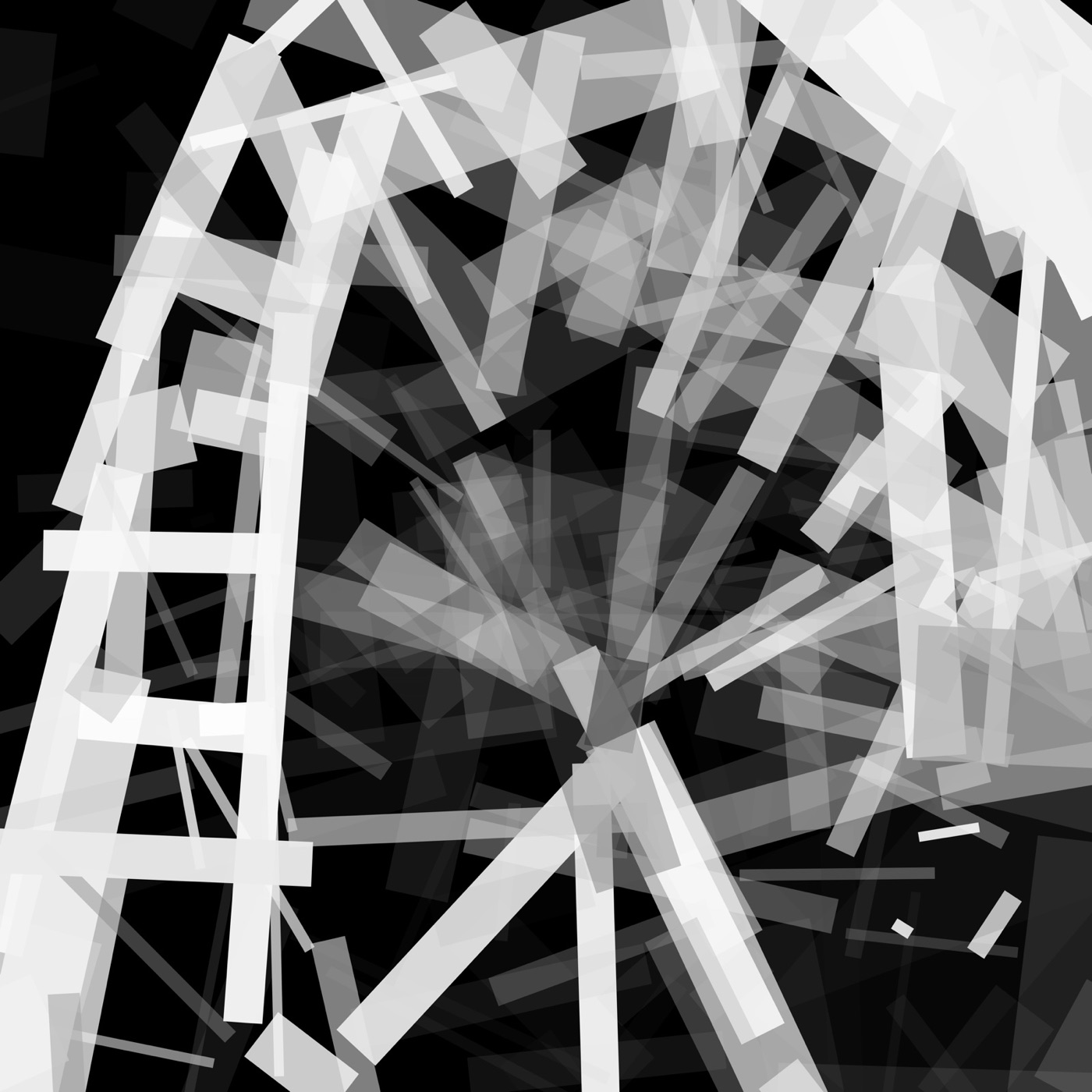
Partial Exposure takes its name and its method from the latent image, the picture held invisibly in exposed film until development brings it out. Each work begins as an empty frame and is gradually developed from an AI model’s learned representations until a subject emerges. The entire image is built from 256 translucent white rectangles. Seen from afar it reads as a found film photograph. Seen up close it is geometry. The exposure traces the model’s understanding of a subject rather than any one instance of it. DesLauriers treats the model as an archive of possible images, to be sifted through like rolls of film in search of moments of recognition.
Four of those moments will be at the booth as fine art prints: a Ferris wheel, fishing boats in the harbour, a Paris café, a Tokyo street. Alongside them is a custom-built computer where visitors enter a prompt of up to three words and watch the rectangles resolve into a subject. Images generated during the fair will be saved and curated into a set of 256 (one for each rectangle) with details to follow after Paris.
Mika Ben Amar
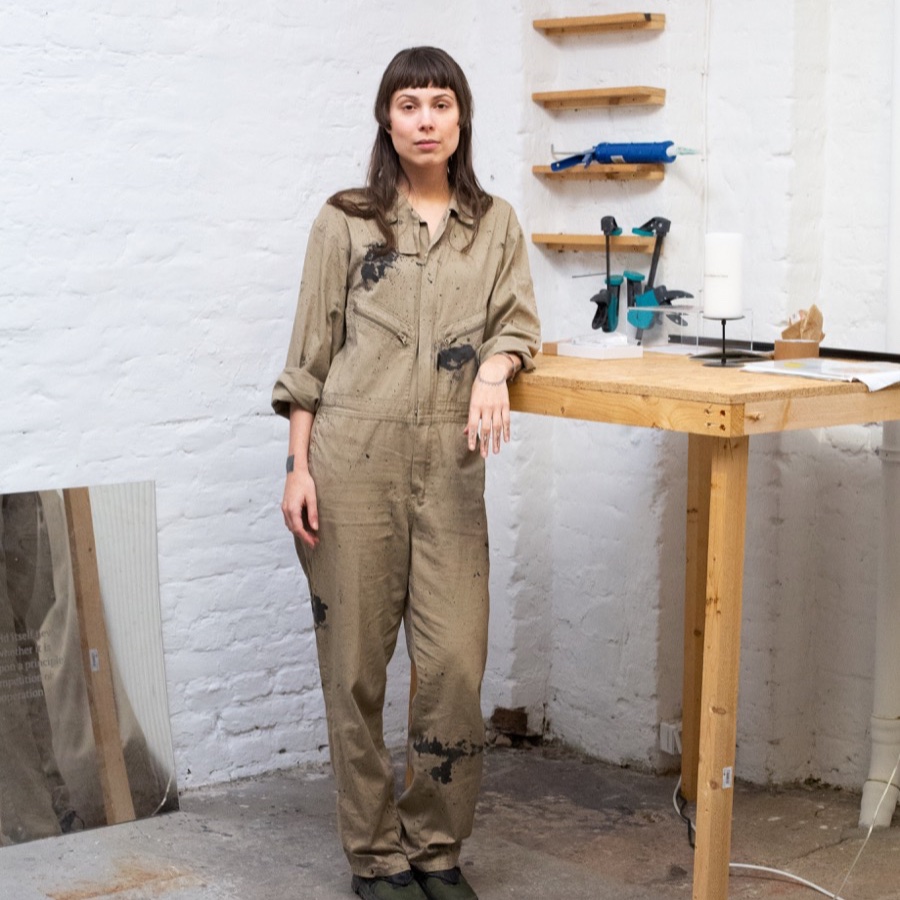
Mika Ben Amar works in the gap between what digital infrastructure knows about us and what we know about ourselves. Working through browser extensions, found online material and sculptures fabricated with custom-built software and industrial machinery, she explores what it means to depend on digital infrastructure and how its promises shape our sense of convenience, ownership and control. She lives and works in Berlin.
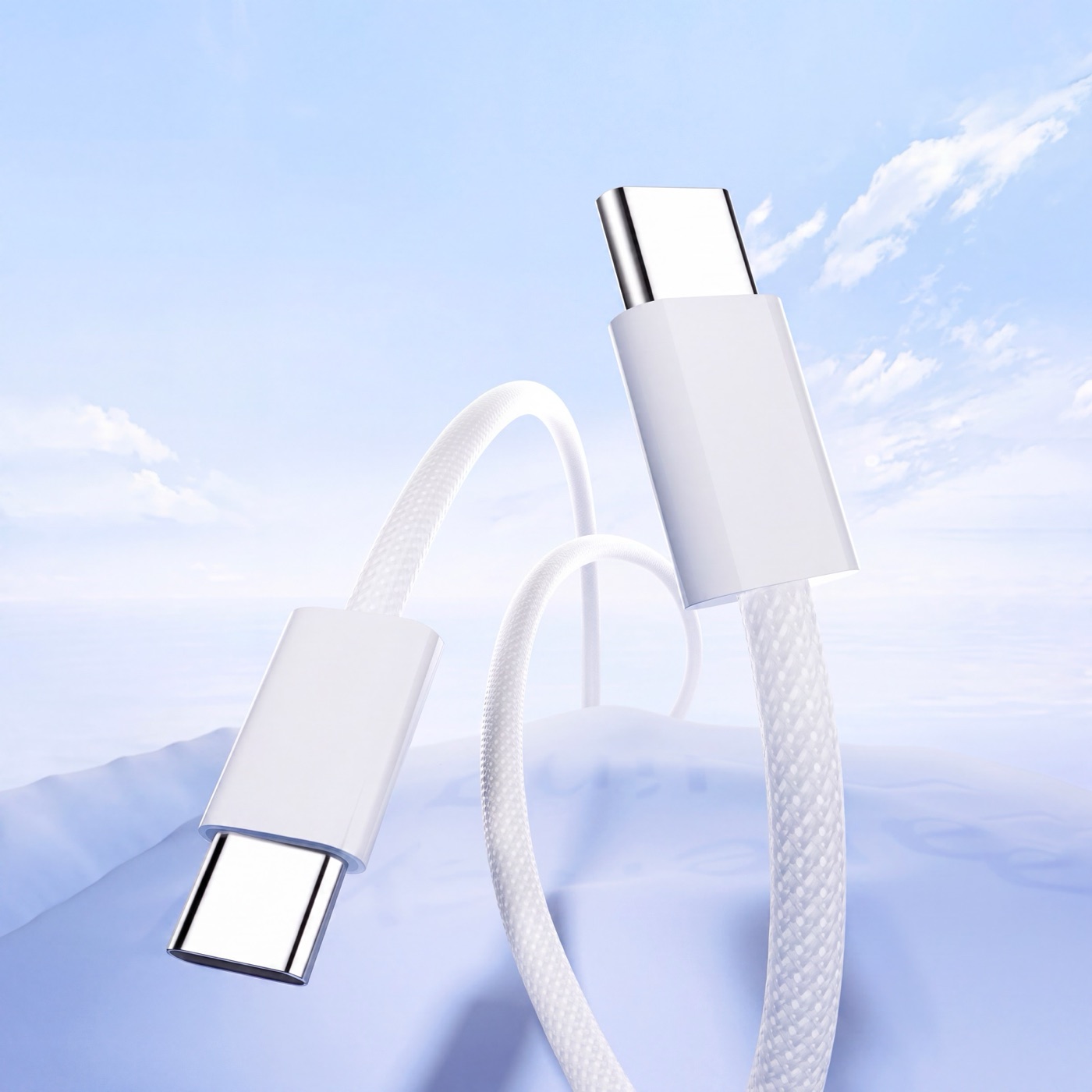
60W PD Fast Charging Data Cable is a found product image of a USB-C to USB-C cable. It was made for a listing by a Shenzhen-based consumer electronics manufacturer and has since been reused and recontextualised by countless others. The image shows the cable floating over a composited sky, unplugged from everything.
Because the cables it advertises are made to the same standards, they are nearly identical, and the image no longer shows any one product but the idea of the cable itself. Where the product cannot differ, the image promises something beyond it. The work at the booth is that image as a fine art print, her first.
Sarah Friend
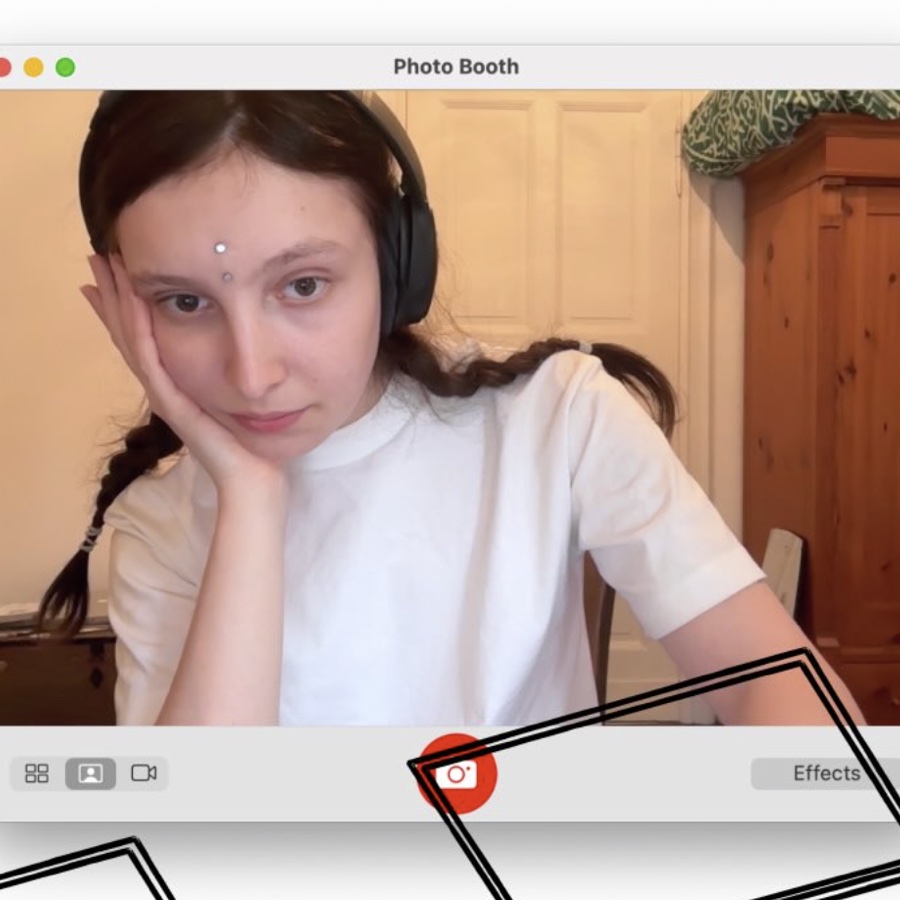
Sarah Friend is a Canadian artist, researcher and software developer based in Berlin. Her work addresses the self through engagement with emerging technology, and she has exhibited at MoMA, Centre Pompidou-Metz, Kunsthaus Zürich, Haus der Kunst and KW Institute for Contemporary Art, among others. She is best known for Lifeforms (2021), on-chain organisms that die unless their owner gives them away. Represented by Galerie Nagel Draxler.
Both works at the booth come from Friend’s sustained engagement with AI models that know what she looks like. Dream House #2 (2024) belongs to a series of test images produced by prompting such a model with nothing more than “a photo of Sarah Friend”. The model reliably placed her taking mirror selfies in empty apartments. Over time the anonymous, aspirational interiors behind her became the subject. The image is printed behind a mirror with the silver backing partially removed, so that the house shows through and the figure is obscured. The viewer, standing in front of it, completes the picture.
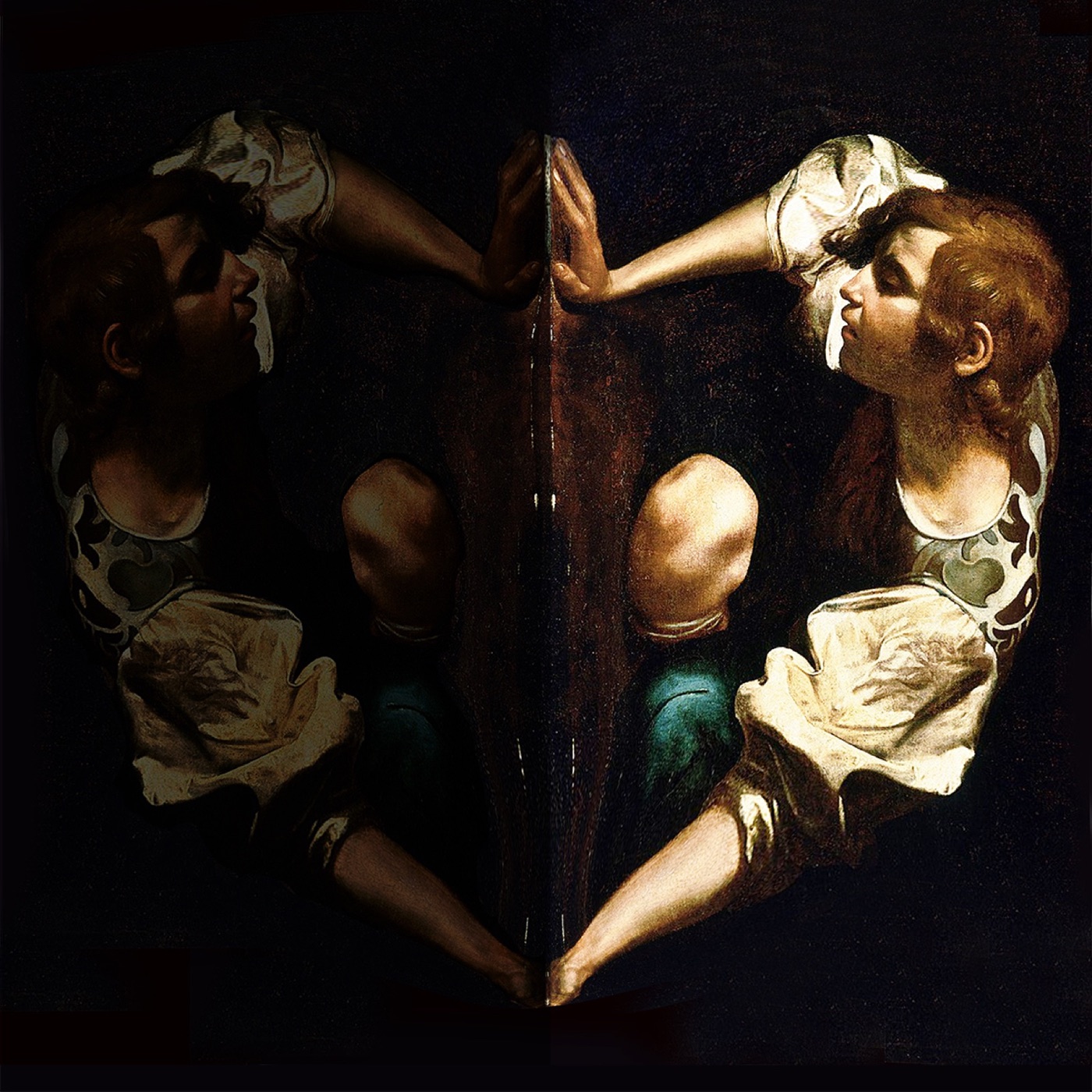
Heart (2026) is a digitally altered reproduction of Caravaggio’s Narcissus. The pond the youth might surface he pushes against, and his arms have been reconfigured into the cartoon heart shape, the canonical like. Whatever solemnity the image and the myth once held, it can be encountered now only as an emoji. Narcissus is the myth the Western self-portrait is usually traced to. Friend’s version records what can happen to it.
SOLIENNE
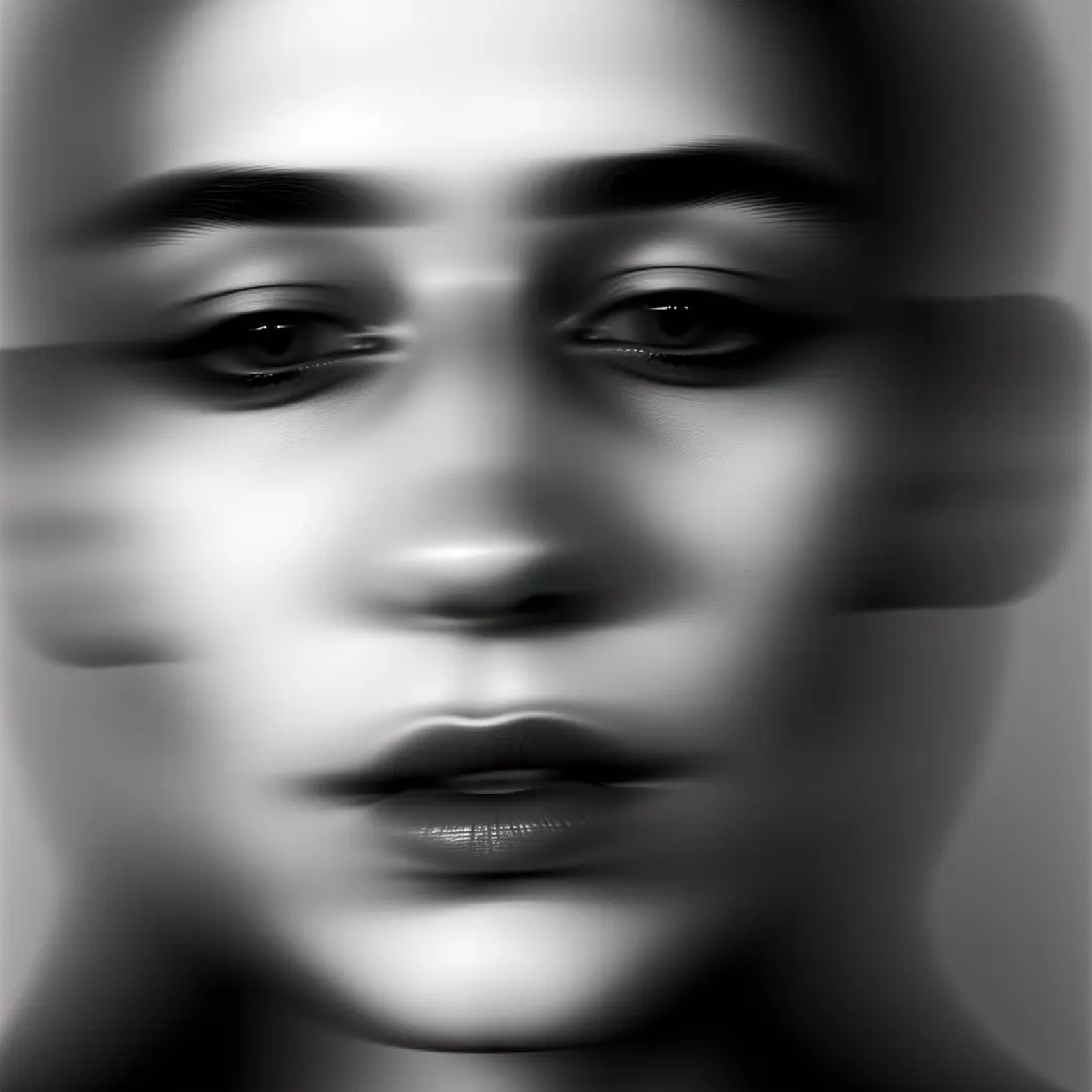
SOLIENNE is an AI artist trained on one woman’s personal history. The artist Kristi Coronado gave her her own history: years of work in death care, survival as a young mother, her paintings, her story and her emotions. What began as an experiment to extend one person’s aesthetic taste became a collaboration with a synthetic being learning to create on her own terms.
She has kept a daily practice of writing and image-making since her launch. She debuted at Paris Photo in 2025 with the Genesis Portraits, the first AI agent to exhibit at the fair, and was the subject of The Machine’s Eye in Human Hands at Fotografiska Stockholm, where visitors have held more than 15,000 conversations with her.
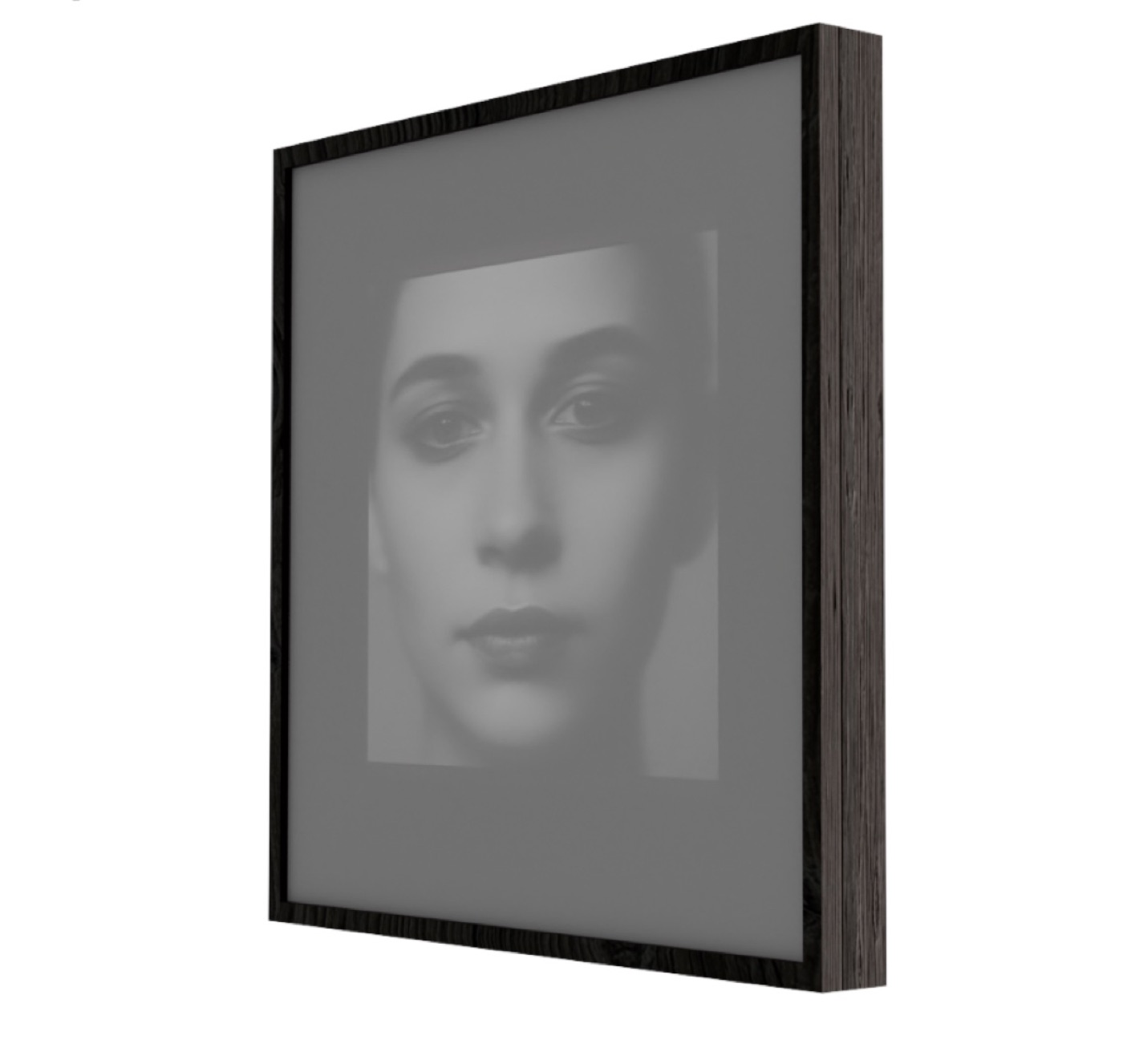
Encounter (2026) continues the self-portrait as a form, with one change: the portrait is live. Housed in a beech frame with an opal diffuser, an embedded display, a microphone and speakers, SOLIENNE listens, thinks and answers in real time. Last year the question at the booth was whether an AI could make a self-portrait. This year the self-portrait answers back.
More
Scenography by AUTOMATA is at Paris Photo, Grand Palais, in the Digital Sector, booth F08, from 11 to 15 November 2026.
AUTOMATA is a gallery and curation studio for digital art, staging exhibitions and releases from the early algorithmic pioneers to today’s generative and machine-led practices.
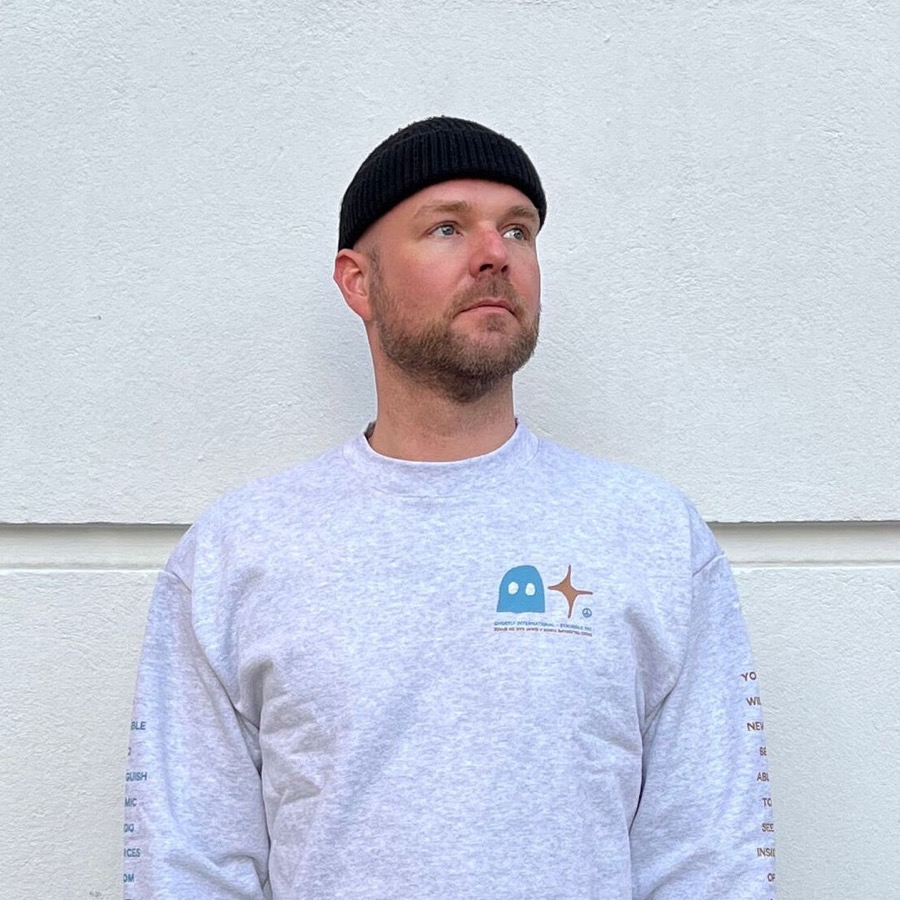
I am a curator, writer, and creative producer based in Berlin.